Fish Eaten in 1984 Turns Out to Be a New Deep-Sea Species
A fish found in a predator's stomach in 1984 and kept in a Tokyo museum for 42 years is a new species of deepwater cardinalfish, Epigonus masamunei.
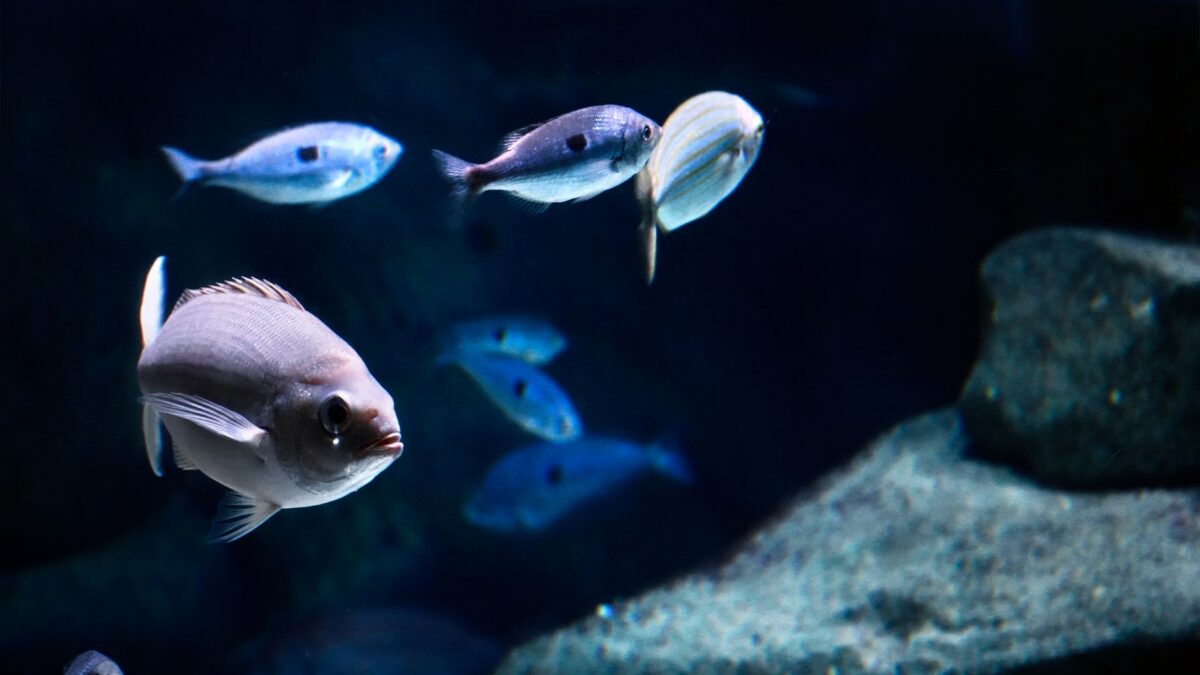
Researchers in Japan have named a new species of deep-sea fish from a specimen that was swallowed by a bigger fish in 1984. According to Mongabay, the little fish sat in a Tokyo museum for 42 years before staff and volunteers looked at it closely. It is a deepwater cardinalfish, now called Epigonus masamunei.
A predator’s last meal
A research vessel hauled up a beardfish (Polymixia japonica) in July 1984 near Kita-iwo Island, part of Japan’s Ogasawara Islands in the western Pacific. Museum records cited in the study estimate the depth at 370-450 meters (1,210-1,480 feet). Beardfish commonly reach about 20 cm (8 in), and this one had the cardinalfish inside it.
The specimen’s belly, skin and some fin-spine tips are damaged, so the beardfish may have thrown it up again.
Description of the fish
From snout to the base of the tail, it is roughly 8 centimeters (3 inches). Its eyes are large, as in many fish that live in the dark deep sea. Nobody has seen one alive, which means its color is a mystery, according to Makoto Okamoto, a fish taxonomist at the Japan Fisheries Research and Education Agency who authored the study.
Okamoto named it for Masamune, a medieval Japanese swordsmith, because the fish’s curved spine recalls the blades he forged.
Why it matters for deep-sea research
Collecting deep-sea fish is hard around the Ogasawara Islands because of the rocky seafloor, and earlier surveys there had never recorded the genus Epigonus. Species in the genus live in the Pacific, Indian and Atlantic oceans. With this addition the count is 45, and eight occur in Japanese waters.
Okamoto told Mongabay by email that finding a new deep-sea species this way is rare, and that “the moment of discovering a new species is always fresh and thrilling.” In his view, a specimen that waited 42 years in storage shows what natural history collections are worth, and the islands, a Natural World Heritage site, probably hide many more unknown species below the surface.
The study calls further discoveries in the genus “highly likely” as remotely controlled submarines improve. In August 2026, an Indian Ocean expedition to unexplored underwater mountains reported 149 previously unknown species, several of them fish. Background on life at depth is in our guide to what lives in the deep sea.
Source: Mongabay
Site editor: Nikita Sheikin