Zoo Tracks 15-Month Rhino Pregnancy Through Dung Hormones
Chester Zoo's greater one-horned rhino calf, born Oct. 11, was tracked by hormone tests on dung. The page covers how the species rebounded from about 200 animals.
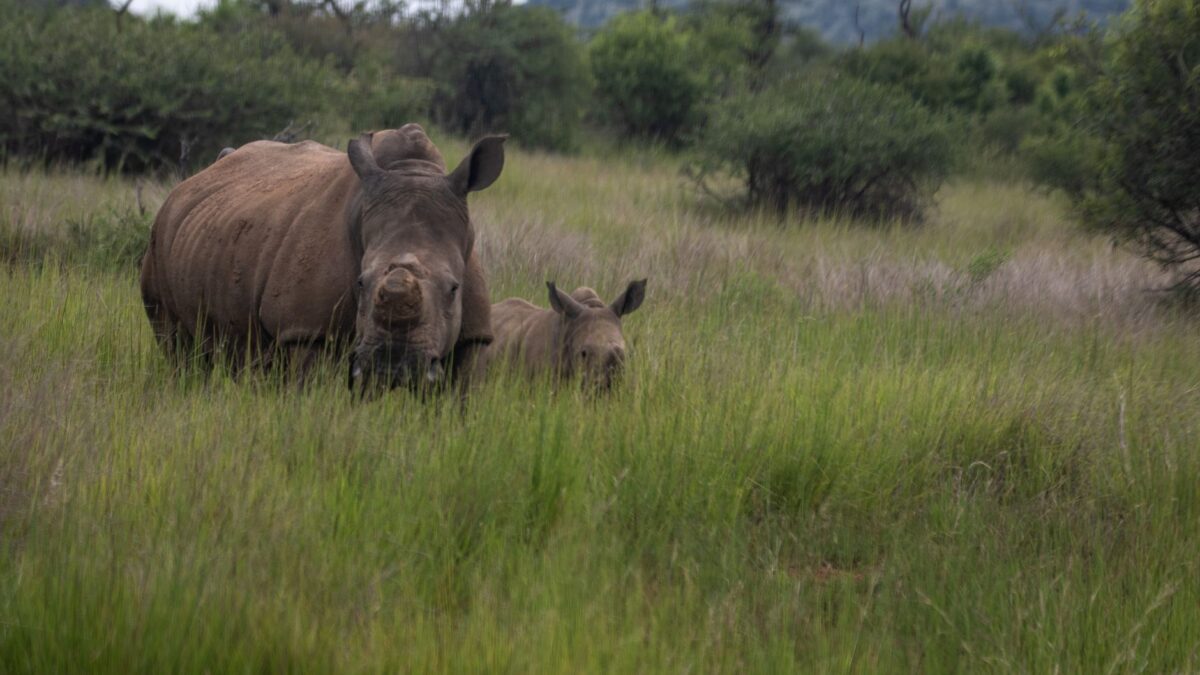
A greater one-horned rhino calf was born at Chester Zoo in England on Oct. 11 after a 15-month pregnancy, and keepers followed that pregnancy without an ultrasound. They measured hormones in the mother’s dung instead. The calf is healthy and is exploring a secluded paddock with its mother, Asha, away from public view, Smithsonian Magazine reported.
The zoo has not announced the calf’s sex or weight. A statement from the zoo says calves of the species typically weigh around 99 pounds at birth, and adults stand about six feet tall at the shoulder. This is the fourth calf for Asha and the male Beni. Beni died earlier this year of a sudden illness, after siring this calf.
How keepers followed the pregnancy
Rhino skin is thick enough to make ultrasound a poor tool, according to Smithsonian. Caretakers instead measured estrogen, progesterone and other fertility- and pregnancy-related hormones in Asha’s dung. The same readings showed when she was ready to breed, so staff could introduce her to Beni at a safe time. Rhinos are usually solitary outside the mating season, which makes that timing useful for zoo scientists trying to grow the population.
Emma Evison, team manager for rhinos at Chester Zoo, described the newborn as an almost perfect miniature of its parents, with skin folded into armor-like plates. The calf has no horn yet and will not for a few years. In the first days, she said, young rhinos have to work out how their legs operate, and there is some wobbliness.
From about 200 animals to some 4,000
The species once ranged across the northern Indian subcontinent. At the start of the 20th century, habitat loss and heavy hunting, driven partly by demand for horns, left only about 200 in the wild. After decades of conservation work and strict protections, some 4,000 now live in wetlands, forests and grasslands in northern India and Nepal.
The species is still listed as vulnerable. Between January 2021 and December 2024, poachers killed nine greater one-horned rhinos in India and four in Nepal, according to a Mongabay report cited by Smithsonian. Many wild rhinos live in only a few national parks. Mark Brayshaw, the zoo’s head of mammals, said in the statement that this concentration leaves them exposed to illness and environmental changes.
How sure is this?
This is a zoo announcement and keeper interviews, not a research paper, so there is no peer-reviewed study behind it. The birth, the calf’s health and the hormone method come from Chester Zoo staff. Sex, weight and name are not yet public.
Chester Zoo takes part in a European breeding project for the species. Evison said Asha’s genetic line is not over-represented in that population, which makes the calf genetically valuable to the program. She described the zoo population as insurance in case something happens to the wild animals.
Source: Smithsonian Magazine
Site editor: Nikita Sheikin