How Noise-Cancelling Headphones Work: Anti-Noise Explained
Noise-cancelling headphones record outside sound and play an inverted copy that cancels it. Here is how it works, what it misses and where it falls short.
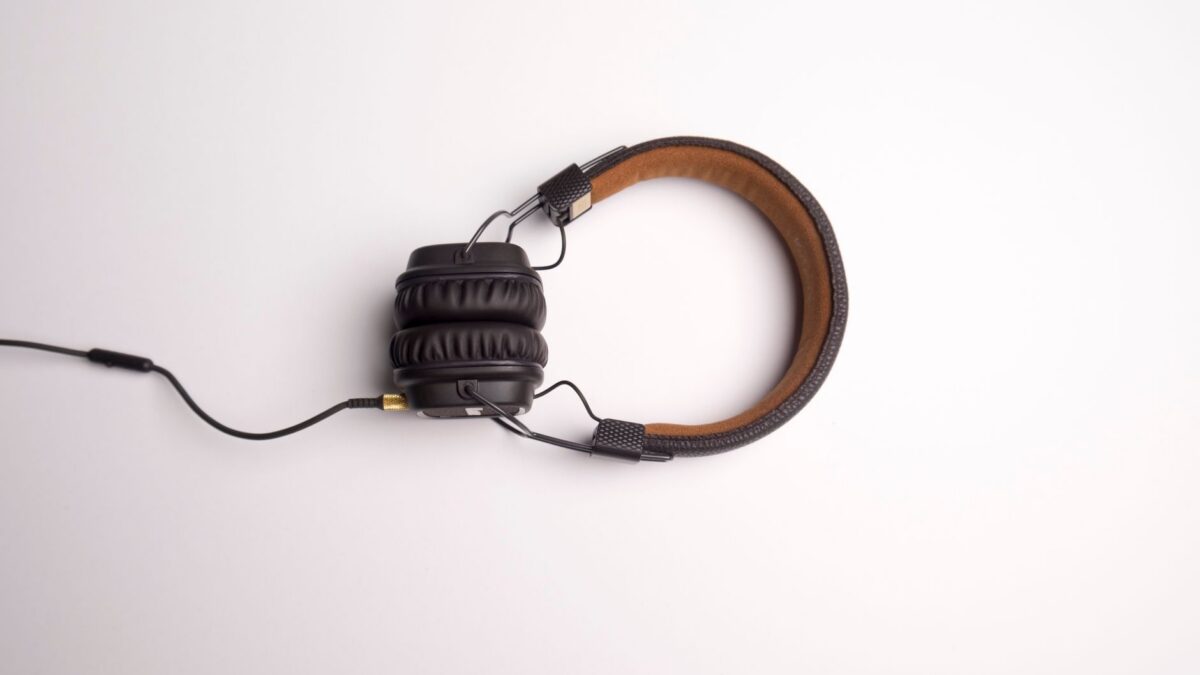
Active noise-cancelling headphones use tiny microphones to pick up the sound around you, then play an inverted copy of that sound through the speakers so the two waves cancel each other out. The effect is strongest on steady, low-pitched sounds such as engine drone, air conditioning and the rumble of a train. Sudden, high-pitched sounds like a voice or a clattering plate are reduced much less.
The physics behind it is called destructive interference, and the electronics that carry it out are a small, fast circuit built into the headset.
What is sound, and why can it be canceled?
Sound is a pressure wave in the air. A wave has peaks, where air is pushed together, and troughs, where air is thinned out. When a peak from one wave meets a trough of equal size from another, the two add up to roughly zero pressure change. That is destructive interference.
Noise cancelling creates the second wave on purpose. It is the same signal as the noise, flipped so that every peak lines up with a trough. If the match is accurate, the ear receives very little pressure variation and the noise seems quieter.
What is inside a pair of noise-cancelling headphones?
Three parts do the work. One or more microphones sample the sound near the ear. A small processor, often a dedicated digital signal processing chip, flips the signal and adjusts its timing and level. The speaker in the ear cup then plays that anti-noise together with your music. A battery powers the circuit, which is why these headphones stop cancelling when they run flat.
Designs differ in where the microphones sit:
- Feedforward systems place the microphone on the outside of the ear cup. They hear the noise before it reaches the ear and have a little time to prepare the opposite wave.
- Feedback systems place the microphone inside the cup, next to the ear. They hear what you hear, including any leftover noise, and correct it continuously.
- Hybrid systems use both, which is common in current models.
Why does timing matter so much?
Sound travels fast, and the anti-noise has to arrive at the ear at the same moment as the noise it is meant to cancel. If it is late, the peaks and troughs no longer line up. In the worst case the added wave reinforces the noise instead of removing it. The processor therefore has to work in a tiny fraction of a second.
That is also why the technique works best on low, steady sounds. Their waves are long and change slowly, so the circuit has time to predict and match them. Short, fast sounds change too quickly to match well. Speech and sharp clicks get through, which is why you can still hear a voice at a lower volume.
Which noises does passive isolation handle instead?
The electronics are only half of the effect. The ear cups or ear tips also block sound physically, in the same way that earplugs or earmuffs do. This is called passive isolation, and it is most effective on higher-pitched sounds, which the active circuit handles poorly. A good seal around the ear or in the ear canal therefore matters a great deal. A poor fit lets sound leak in and weakens the cancelling.
Together, the two methods cover a wider range of pitches than either does alone: the circuit takes care of the low drone and the seal reduces much of the rest.
Does it affect how music or other sound feels?
Some people notice a feeling of pressure or a faint hiss when cancelling is switched on. The pressure sensation is the ear reacting to the lack of low-frequency background sound, since no air is actually being pushed into the ear. The hiss is a small amount of electronic noise from the microphones and circuit. Many headsets also include a transparency or ambient mode, which does the opposite: it plays outside sound through the microphones so you can hear announcements or traffic.
Sound reaching the ear is still sound, so volume matters for hearing health. Cancelling can let you listen at a lower level in a noisy place, because you are not turning the music up to beat the background. If you want to understand how continuous sound is used for other purposes, such as sleep, see this report on pink noise and the sleeping brain.
What are the limits and safety points?
- Cancelling is partial. It reduces noise but does not remove it, and results vary with the headphone design and fit.
- Unpredictable sounds, such as speech, barking dogs and sudden bangs, are reduced far less than constant drone.
- Reduced awareness is a real risk outdoors. When walking, cycling or crossing roads, switch to ambient mode or take one earbud out so you can hear traffic and warnings.
- Wind across the microphones can cause a rushing noise, because the circuit cannot tell wind from other sound.
- Cancelling does not make loud sound harmless. Very loud music or equipment can still damage hearing, so keep volume at a comfortable level and use hearing protection designed for loud work.
Common questions
Do noise-cancelling headphones work without music?
Yes. The microphones and circuit run whether or not anything is playing, so you can use them in a plane or an office simply to reduce background noise. The battery still has to be charged.
Is active cancelling better than just a tight fit?
They work on different sounds. A tight fit blocks high-pitched sound well, and the electronics deal with low drone. Headphones that combine both generally quiet a wider range of noise than a seal alone.
Why can I still hear voices?
Voices are higher in pitch and change quickly, which makes them hard for the circuit to match. Passive isolation lowers them somewhat, but they are not removed.
Site editor: Nikita Sheikin