Leonid Meteor Shower Peaks Nov. 17-18 With About 15 Meteors an Hour
The 2026 Leonids peak Nov. 17-18, with about 15 meteors per hour in dark skies. See the best US viewing hours, the Moon's timing and what causes the shower.
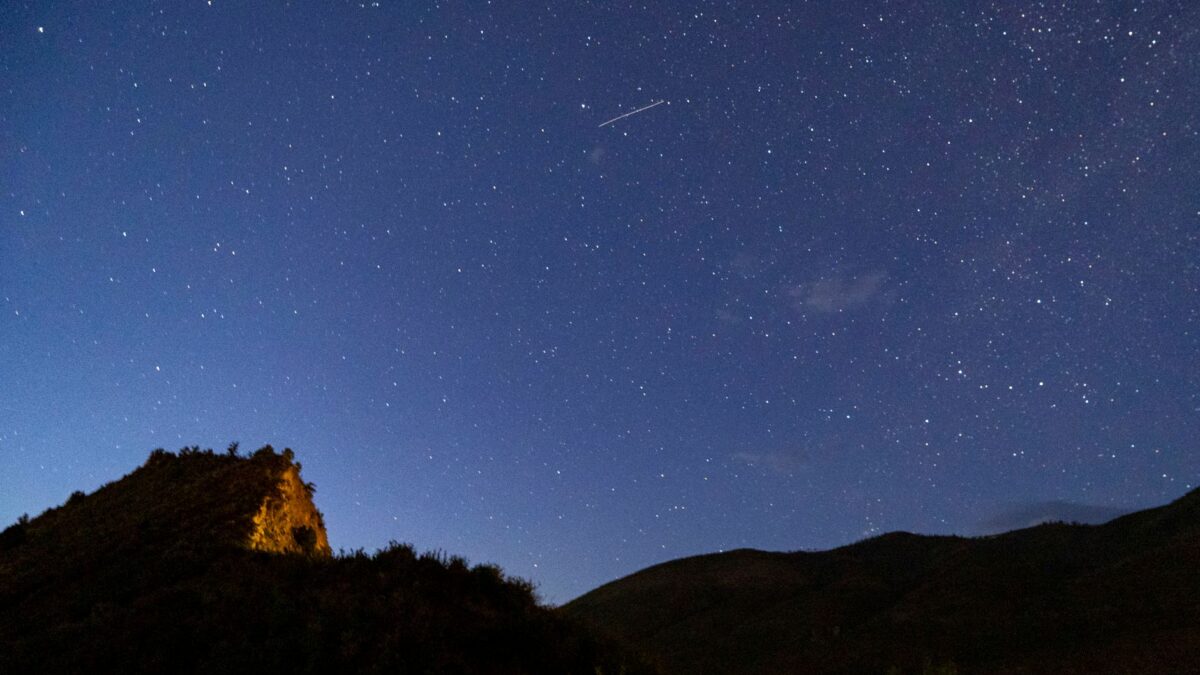
The 2026 Leonid meteor shower reaches its peak on Nov. 17-18, and under ideal dark skies it could produce about 15 meteors per hour, according to predictions based on the International Meteor Organization’s calendar, as reported by MARCA. The predicted maximum falls around 6:45 p.m. Eastern Time on Nov. 17, but for viewers in the United States the better chance comes later, between midnight and dawn on Nov. 18.
NASA also names the mornings of Nov. 17 and 18 as the best for watching the Leonids and advises going out after the Moon has set. What you actually see depends on your location and the local weather.
When to look for the Leonids from the US
The shower runs from Nov. 6 through Nov. 30, so stray shooting stars can turn up on other nights too, but activity should be highest in the middle of the month. The overnight hours after the predicted maximum matter most for American observers. The early hours of Nov. 17 are a second option.
The meteors seem to fly out of the constellation Leo, which gives the shower its name. That starting point is called the radiant. Leo rises in the east during the night and sits higher as morning approaches. Meteors can still show up in any part of the sky, and looking a little to the side of Leo can make their trails look longer.
The Moon should not get in the way much this year. It reaches first quarter on Nov. 17 and is expected to set around midnight, which leaves the darkest skies for the hours when Leo is best placed.
Mars and Jupiter meet in Leo
Two planets share the same patch of sky. Mars and Jupiter will appear close together near Leo, with Jupiter shining brightly and Mars showing a reddish color. NASA’s November skywatching guide says the pair will be closest around Nov. 15 and 16.
Why the Leonids are so fast
The Leonids hit Earth’s atmosphere at roughly 44 miles per second, which puts them among the fastest of the meteor showers seen every year. Some leave bright flashes and colored trails, and now and then a fireball.
The particles come from comet 55P/Tempel-Tuttle. Each November, Earth passes through the dust and grit the comet has shed along its path. When those bits plunge into the atmosphere at high speed, they squeeze and heat the air around them, and the glowing air is what we call a shooting star.
The comet circles the Sun about once every 33 years. When Earth runs into an especially dense clump of its debris, the Leonids can turn into a meteor storm. In 1966, observers reported thousands of meteors during one such outburst. The most recent major Leonid storm came in 2002 and was weaker than the 1966 display. No storm like that is expected in 2026.
What this means for skywatchers
The Leonids are a naked-eye event. Binoculars and telescopes narrow your view, while your eyes alone take in a wide stretch of sky. Light pollution is the biggest obstacle, because city glow hides fainter meteors. Rural areas, open fields and dark-sky sites give a much better view.
NASA suggests letting your eyes adjust to the dark for about 30 minutes and keeping your phone screen off, since its light undoes that adjustment. Nights in November can turn cold, especially in the countryside, so warm clothes, a blanket and a reclining chair help. Clouds can hide the whole show, so check the local forecast before heading out. Even in good conditions the meteors arrive in ones and twos with gaps between them.
The Leonids are one of several showers before the end of the year, and our meteor shower calendar with peak dates and rates lists the rest. There is also a guide to watching the 2026 Geminid meteor shower.
Source: MARCA