Quadrantid Meteor Shower 2027: Peak Night, Best Time and Where to Look
The Quadrantid meteor shower peaks on the night of January 3-4, 2027. Here is when to watch, where to look, how the Moon affects it and what to bring.
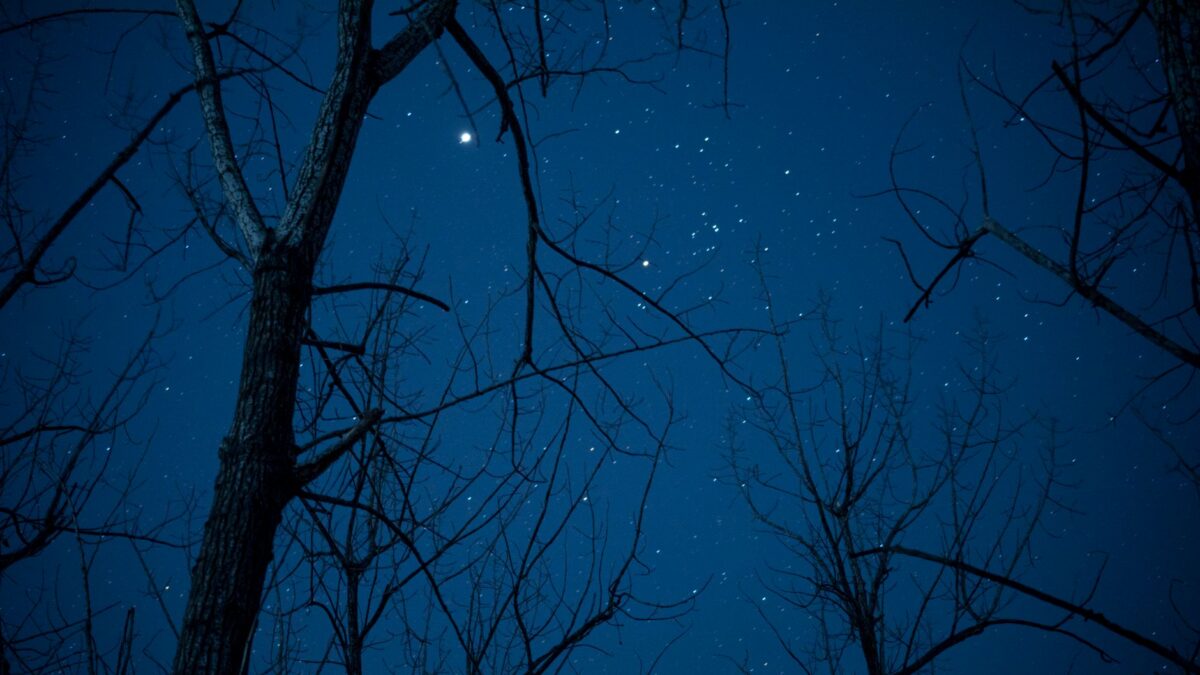
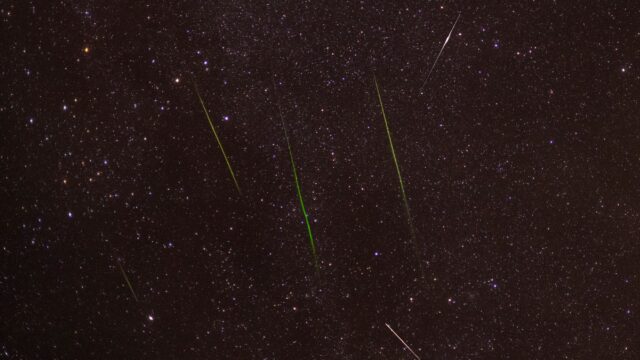
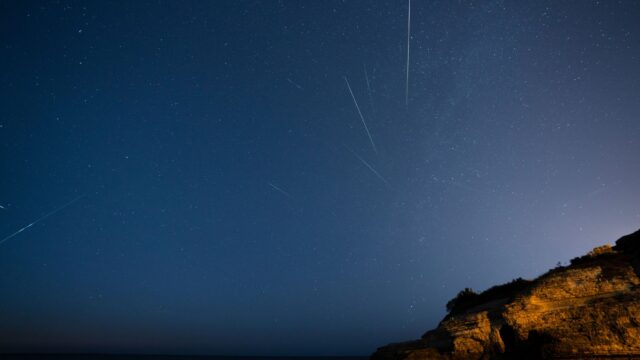
The Quadrantid meteor shower peaks on the night of January 3 to 4, 2027, and the best viewing is in the dark hours before dawn on January 4 from the Northern Hemisphere. Under a dark, clear sky the shower can produce up to about 110 meteors an hour at its peak, but the peak is short, lasting only a few hours, so most observers see far fewer. A waning crescent Moon near new phase leaves the sky fairly dark in 2027.
When does the Quadrantid meteor shower peak in 2027?
Predictions based on past returns of the shower put the 2027 peak around 03:00 UTC on January 4 (10 p.m. Eastern Standard Time on January 3), with an uncertainty of several hours. The International Meteor Organization publishes the official predicted time each year, and it is worth checking a few days before.
The shower is active from about December 28 to January 12, but outside a window of roughly six hours around the peak the rates drop to a handful of meteors an hour. That narrow peak is what sets the Quadrantids apart from the other big showers of the year. The Perseids in August and the Geminids in December keep high rates for a day or more.
Because the radiant climbs higher as the night goes on, the hours between about 2 a.m. and the start of twilight on January 4 usually give the best view in North America, even if the exact peak falls earlier in the evening. Visibility depends on your location and the local weather.
Where should you look in the sky?
The meteors seem to come from a point called the radiant, in the northern part of the constellation Boötes, between the handle of the Big Dipper and the bright star Arcturus. The shower takes its name from Quadrans Muralis, an old constellation in that part of the sky that astronomers dropped in 1922.
- Face northeast after midnight. By the hours before dawn the radiant stands well up in the northeastern sky.
- Do not stare straight at the radiant. Meteors near it look short; those 30 to 40 degrees away from it leave longer trails.
- Take in as much sky as you can. Lying back in a reclining chair lets you watch a wide area without a sore neck.
From mid-northern latitudes, including most of the US, Canada and Europe, the radiant never sets or sits low in the north during the evening. Observers in the Southern Hemisphere see few or no Quadrantids because the radiant stays below or near their horizon.
How does the Moon affect the 2027 shower?
The Moon is a thin waning crescent on January 3 and 4, 2027, a few days before new Moon. It rises in the early morning and gives off little light, so it should not wash out fainter meteors. This is much better than years when a bright Moon sits in the sky all night during the peak. For the Moon phases of other showers, the site’s meteor shower calendar with peak dates and moonlight lists each one.
What causes the Quadrantids?
Earth passes each January through a stream of debris left by a small body called 2003 EH1. Astronomers class it as an asteroid, though it may be the worn-out core of a comet that has lost most of its ice. The dust grains hit the upper atmosphere at about 25 miles per second (41 kilometers per second) and burn up roughly 50 to 70 miles (80 to 110 kilometers) above the ground.
The stream is narrow, and Earth crosses it at a steep angle. That geometry explains the short peak. The Quadrantids also produce bright fireballs, which last longer than ordinary meteors and can light up the sky for a second or two. NASA keeps a page on the shower and its parent body.
How can you see the most meteors?
- Get away from city lights. Even a drive of 30 to 60 minutes out of town can make a large difference, because faint meteors vanish against a bright sky.
- Check the forecast for clear skies. January weather often brings cloud and snow, so have a backup night, though rates fall quickly on either side of the peak.
- Let your eyes adapt for 20 to 30 minutes. Put your phone away or use a red light; one look at a bright screen resets your night vision.
- Plan to watch for at least an hour. Meteors arrive in bursts with quiet gaps between them.
- Use only your eyes. Binoculars and telescopes show too small a patch of sky to catch meteors.
How should you dress for a January meteor watch?
Sitting still on a winter night chills you far faster than walking around, so dress for temperatures colder than the forecast. Wear several layers, a warm hat, gloves and insulated boots, and bring a blanket or sleeping bag to lie in. A hot drink in a thermos helps. Check that the road to your viewing spot is clear of ice, and tell someone where you are going if it is remote. The National Weather Service has guidance on cold weather safety, including the signs of frostbite.
Can you photograph the Quadrantids?
A camera on a tripod can catch Quadrantid meteors, and the bright fireballs show up well. Use a wide-angle lens, set the focus manually on a bright star, open the aperture fully and take a long series of exposures of 10 to 30 seconds. Most frames will show nothing, so an intervalometer that shoots for an hour or more improves the odds. Cold drains batteries quickly, so keep spares in an inside pocket. Satellite trails often appear in long exposures too; the guide to how to spot Starlink satellites explains how to tell them apart from meteors.
Quick answers
What time is the best time to watch the Quadrantids in 2027?
The best window in North America is from about 2 a.m. local time until dawn on January 4, 2027, when the radiant is high in the northeast. The predicted peak is around 03:00 UTC on January 4 (10 p.m. EST on January 3).
How many Quadrantid meteors will I see?
The peak rate under ideal dark skies is about 110 meteors an hour, but light pollution, a low radiant and the short peak mean most observers count somewhere between 10 and a few dozen an hour.
Is the Quadrantid shower better than the Geminids?
The two can reach similar peak rates, but the Geminids stay strong for longer and are easier to catch. The site’s guide to the Geminid meteor shower peak night covers the December shower.
Can I see the Quadrantids from the Southern Hemisphere?
Very few Quadrantids are visible south of the equator, because the radiant sits far in the northern sky and stays near or below the horizon there.
Site editor: Nikita Sheikin